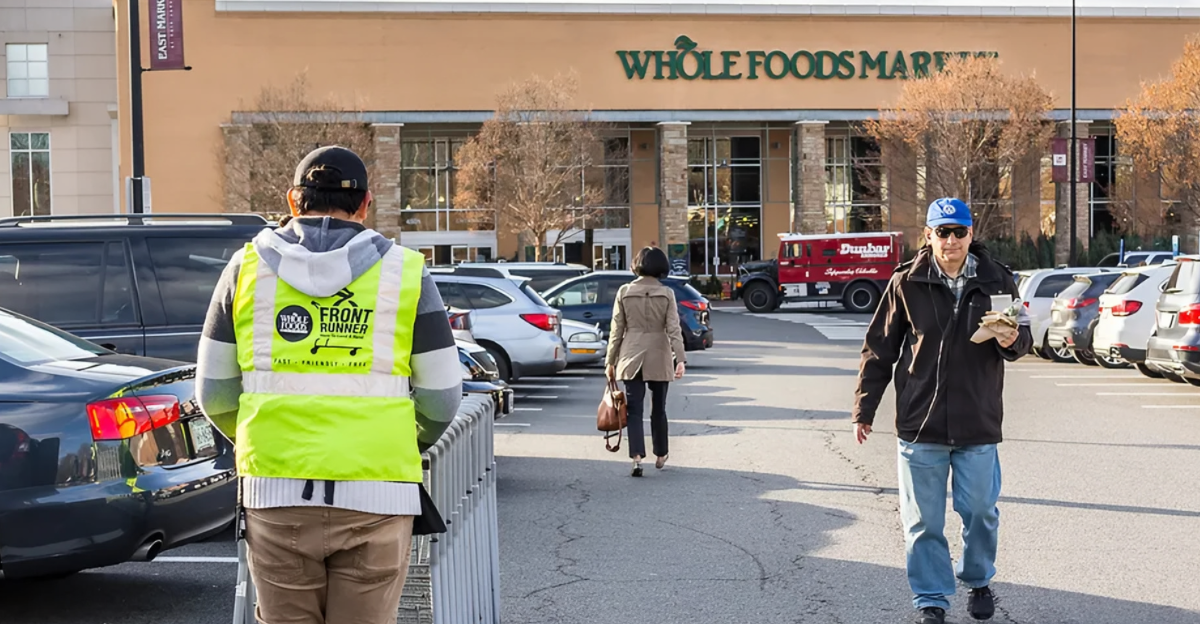
California shoppers have become increasingly aggressive about fighting deceptive packaging practices. One law firm reports that since new regulations took effect in 2018, “about a dozen new slack-fill cases have been filed” in California courts.
Class actions now target everything from protein powders to cereal boxes. In the latest example, plaintiffs say Whole Foods’ 12-ounce hot cocoa containers were nearly half empty.
According to court filings, the canisters in question were “approximately 44% empty space”. The hot cocoa case highlights this phenomenon: it ends with a six-figure settlement without the retailer admitting any fault.
California’s Crackdown

California took aim at slack-fill with Assembly Bill 2632 in 2018, adding safe harbors like visible fill lines or product images on packaging.
Still, suits persist. Dentons notes that even after AB 2632’s enactment, “about a dozen new slack-fill cases have been filed in California”. Plaintiffs argue opaque containers with unfilled space mislead buyers if no exception applies.
Experts say the law’s nuances mean companies can still be sued: leaving extra empty space is only legal if it meets narrow criteria. As a result, defendants often remain vulnerable in a patchwork of regulations, even as some courts throw out weak claims.
Organic Origins
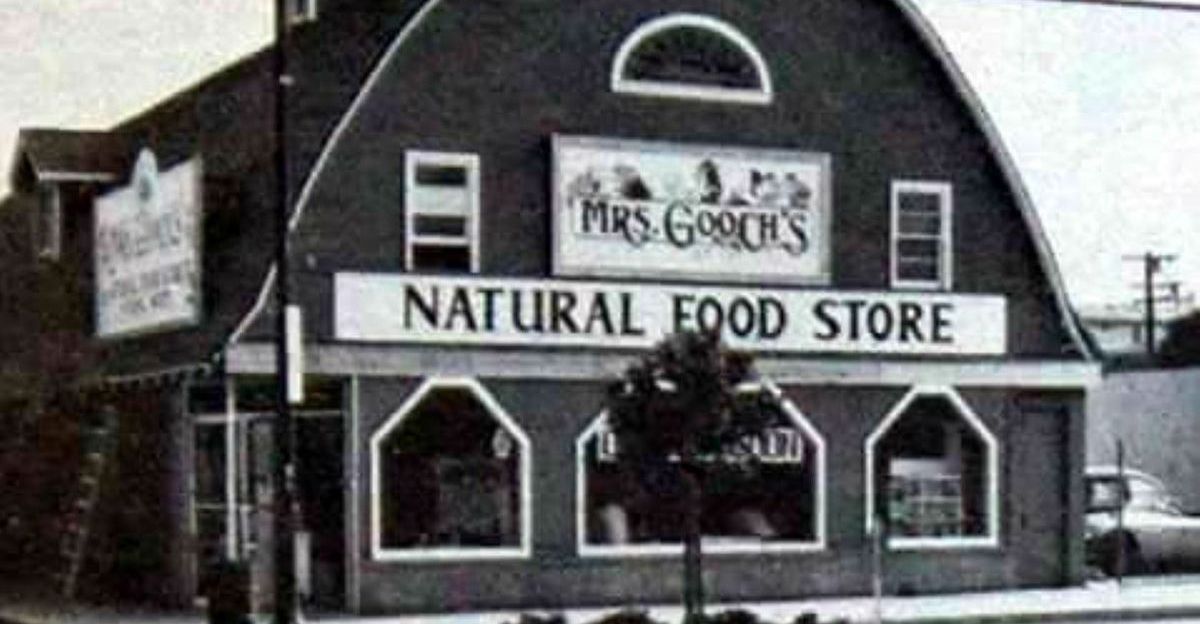
Mrs. Gooch’s Natural Foods was founded in 1977 by Sandy Gooch, a homemaker turned health-food pioneer. After Gooch suffered a severe allergic reaction, she opened her first natural-food market in West Los Angeles.
The business grew into seven upscale stores catering to health-conscious shoppers. In 1993, Whole Foods acquired Mrs. Gooch’s for $56 million, keeping its stores and name.
Industry historians say Mrs. Gooch’s helped prove there was big money in organic, specialty retail — a model Whole Foods later expanded nationwide.
Industry Under Fire

Lawsuits over packaging practices have spread across the food industry. Consumers and attorneys are now challenging everything from greenwashing claims to empty spaces inside opaque packages.
For instance, Sheila Millar of Keller & Heckman notes her firm is seeing a big rise in these cases: “False advertising is by far where we see an increase in claims targeting packaging”.
Large brands have been drawn into such disputes, from snack chips (e.g. PopCorners) to cereals. California’s strict consumer laws make it the favorite venue. Plaintiffs’ lawyers say today’s shoppers are more aware that a big box does not always mean more product, and they are willing to sue to prove it.
The $650,000 Revelation
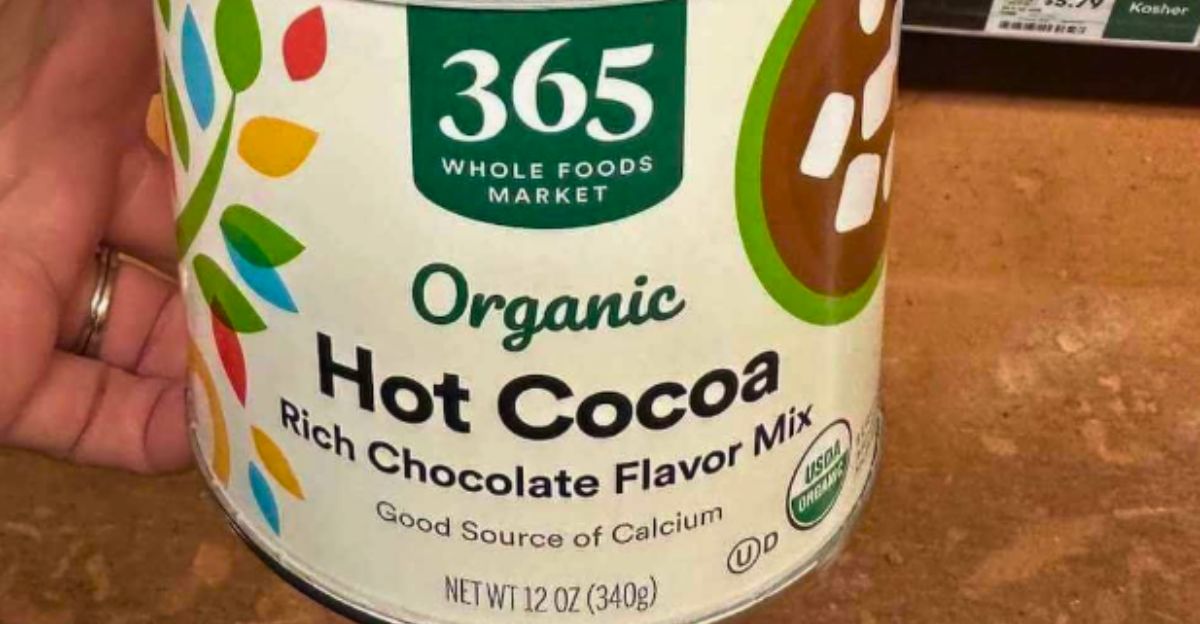
In late 2024, Jennifer Goodwin sued Whole Foods Market California (and Mrs. Gooch’s), claiming its 365-brand cocoa mixes were sold in oversized 12-ounce canisters that were almost half empty.
Settlement filings confirm the allegation: the hot cocoa canisters at issue were “approximately 44% empty space”. Without admitting fault, Whole Foods agreed to pay $650,000 total to resolve the case.
The deal covers purchases of the cocoa in California during Nov. 3, 2017, through Mar. 13, 2025. Goodwin’s lawyers note that shoppers relied on the canister’s size when paying premium prices, only to discover much less product than expected.
California-Only Impact

The settlement applies only to California buyers of the hot cocoa mixes. According to court and notice data, about 156,662 Californians purchased the 12-ounce 365 Organic Hot Cocoa or 365 Everyday Value Hot Cocoa during the class period.
To qualify, a consumer must have bought the cocoa at a Whole Foods Market store in California (or online while physically in California).
This geographic restriction reflects California’s unusually strict slack-fill laws (Calif. Bus. & Prof. Code §§12606–12606.2) and the notion that these claims are grounded in California’s consumer-protection statutes.
Consumer Voices
Consumers in these cases often express a sense of betrayal. One complaint notes that health-conscious buyers “relied on” the canister’s size to judge value, only to find much less product than expected.
Plaintiffs allege Whole Foods sold the cocoa “in large, opaque canisters containing nonfunctional empty space,” which could easily “mislead California consumers”.
Jennifer Goodwin’s lawsuit argues that by doing so, the chain violated California’s Consumer Legal Remedies Act, Unfair Competition Law, and False Advertising Law. In short, shoppers like Goodwin say they paid premium prices under the impression they were getting a full jar, and only realized later the can was mostly air.
Regulatory Ripple
The hot cocoa case has put other manufacturers on notice. At the federal level, the FDA already bans misleading slack-fill in food packaging. But federal enforcement in private suits is rare, so most slack-fill claims move forward under California’s rules.
There, private plaintiffs can invoke broad consumer-fraud and false-advertising statutes. Attorneys warn that any product in an opaque container can be challenged if consumers might be misled.
The 2018 AB 2632 amendments did add some safe harbors (like allowing a package with a fill line or showing size), but critics say the changes didn’t eliminate risk.
Cocoa Market Context
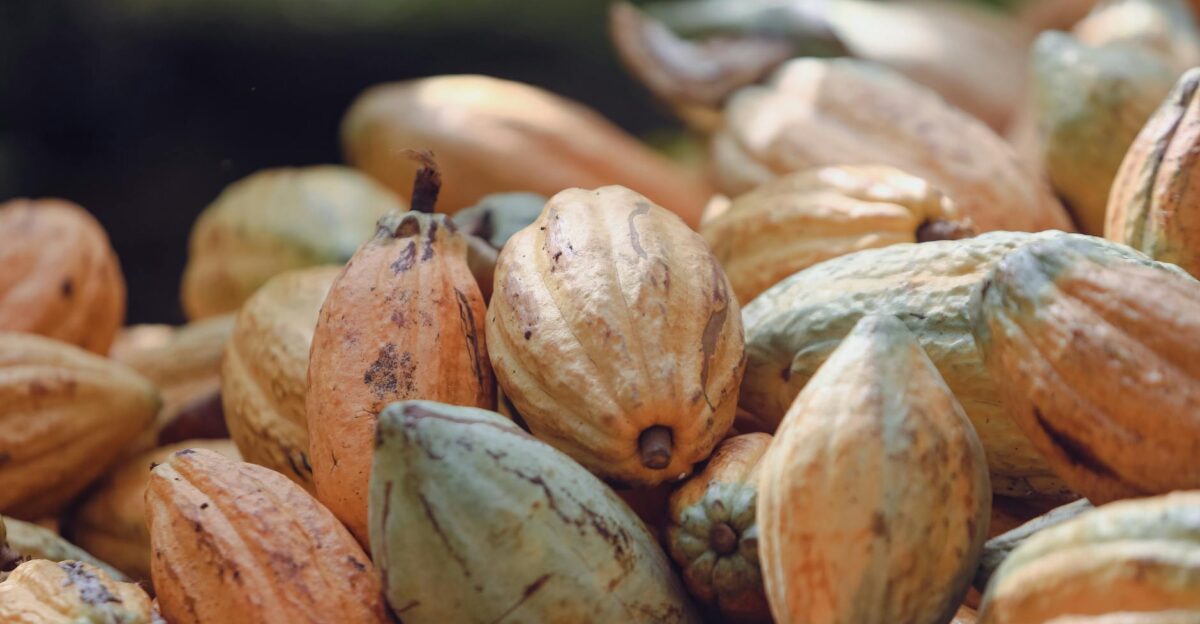
The cocoa powder market is surprisingly large and growing. Analysts value the global cocoa powder market at about $2.7 billion in 2025, rising to $3.6 billion by 2035.
Natural (unprocessed) cocoa powder alone accounts for roughly 64% of that market, driven by demand for organic and clean-label ingredients in beverages and foods.
At the same time, shoppers and regulators are pressing for transparency. Trade reports note that industry standards now stress ethical sourcing and clear labeling (Fairtrade, Rainforest Alliance, etc.).
The $2.90 Reality

With only $100,000 set aside for all consumers, the payout per person will be tiny. The settlement notice estimates each claimant will get about $2.90 (perhaps up to ~$4 if a few people file).
This small amount highlights that each shopper’s overpayment on a canister was only a few dollars or cents. The deal lets households submit up to two claims without a receipt, recognizing that most people discard grocery slips.
Even if each claimant’s refund is modest, plaintiffs’ attorneys say the case is worth pursuing to set a precedent. The settlement administrator will distribute the payments after claims are validated, as in most class actions.
Corporate Denial

Whole Foods and Mrs. Gooch’s have consistently said they did nothing illegal. The official settlement notice emphasizes the companies’ “deny any wrongdoing or violation of law”.
Company representatives argue their packaging met all functional requirements – for example, any empty space served legitimate purposes like settling the powder during shipping – and that they complied with labeling standards.
Nonetheless, they agreed to settle to avoid the uncertainty and expense of a trial. Consumer-law experts note this “deny-and-settle” approach is common: companies prefer to pay a bit to end suits rather than risk bigger judgments or awkward rulings.
Amazon’s Shadow
Whole Foods has been owned by Amazon since 2017, and the tech giant’s image looms over its legal challenges. The hot cocoa case actually predates Amazon’s takeover, but in recent years, the grocery chain has faced several other consumer suits under the Amazon era.
For example, in early 2023, Whole Foods agreed to pay nearly $300,000 to warehouse workers after they sued over a voice-command system that recorded employees without consent.
Other Whole Foods cases have touched issues like background checks and wages. Amazon generally keeps its distance from these disputes, but critics note that its vast resources make Whole Foods a bigger litigation target.
Packaging Promises
To resolve the issue, Whole Foods agreed to improve the cocoa-mix labels. All 365 Organic Hot Cocoa canisters sold in California will now include a visible fill line marked on the label, showing roughly how much cocoa should be in the jar.
For companies, adding a fill line is a minimal-cost fix. Some manufacturers already include them to meet safe-harbor criteria. Lawyers note that if consumers see the fill line and agree, it may head off many such suits in the future.
In fact, fill lines were a key idea debated during AB 2632’s drafting. Today, several industry observers say this change could become standard practice, as it directly addresses the heart of the deception claim.
Legal Landscape

Consumer attorneys say outcomes hinge on details. In some recent cases, courts have fully sided with defendants when the packaging itself made quantities clear. For example, a baking-mix slack-fill suit was dismissed after a judge found that even though the box was opaque, the label included a detailed yield chart.
In that case, “the court agreed” the package “clearly disclosed the product’s quantity”, so the plaintiff’s claim failed.
In general, success for plaintiffs depends on whether an “ordinary consumer” could reasonably tell the true amount. If the container, labeling, or graphics already give enough information, courts often find no deception.
October Deadline

Class members in the Whole Foods hot cocoa case have just weeks to act. Anyone who bought the affected cocoa in California must file a claim by October 14, 2025 (also the deadline to opt out). A final approval hearing is scheduled for December 3, 2025.
These dates mirror standard class-action timelines but create urgency: eligible Californians must act or lose their share. Even though the average payout is under $3, consumer advocates note that the bigger impact may be legal precedent and prompt industry change.
Observers encourage shoppers not to miss the cutoff, highlighting how swift court procedures can reward vigilant consumers.
Policy Implications

Lawmakers and regulators continue to debate slack-fill rules. California’s statutes (Cal. Bus. & Prof. Code §12606–12606.2) define when empty space is “nonfunctional” and thus illegal.
Assembly Bill 2632 (2018) created explicit exceptions, such as allowing packages with a fill line or an accurate-size image. But legal experts say more clarity may be needed. Some consumer advocates argue the law still lets too many designs slip by.
At the same time, industry groups warn that too strict a rule makes packaging impractical. The pattern of settlements will inform regulators whether further legislative tweaks are warranted to balance consumer protection with business realities.
National Trends

California may lead slack-fill battles, but national trends are stirring. Federal courts have begun tightening standing requirements for these cases. Notably, the Seventh Circuit recently rejected a parent’s claim that they were harmed simply by paying full price for baby formula that was later recalled, since no contamination was proven.
This indicates judges want plaintiffs to show real, individual harm. Meanwhile, several other states are watching California’s approach.
Some are considering similar food-packaging laws. Retailers that sell the same product nationwide now face a compliance patchwork: an identical box could be legal in one state but actionable in California. Companies must navigate this mix as litigation grows.
Environmental Angle

Excess air in packages isn’t just a legal quirk – it’s an environmental concern. Unfilled volume means larger jars and boxes, using more plastic, cardboard, and fuel for shipping, then adding to landfill waste. Environmental advocates have taken notice.
One analysis bluntly calls nonfunctional slack-fill “both unethical and careless of the environment”.
They argue that by forcing companies to cut empty space, packaging lawsuits can also reduce material waste. With rising sustainability standards, some pressure for leaner packaging now comes from green-minded consumers and regulators.
Cultural Shift

The cocoa settlement reflects how consumer expectations have changed. Now, shoppers – especially Millennials and Gen Z – are quick to call out any hint of trickery. Social media feeds are full of photos showing half-empty boxes and rants about “shrinkflation.”
In one high-profile example, a candy buyer said she “felt cheated” when her $1.49 box of sweets turned out to be mostly air.
Analysts note that this vocal outrage is partly generational: younger consumers research products carefully and expect full transparency. They often post disappointments online, creating reputational risks for brands beyond legal ones.
Trust Test
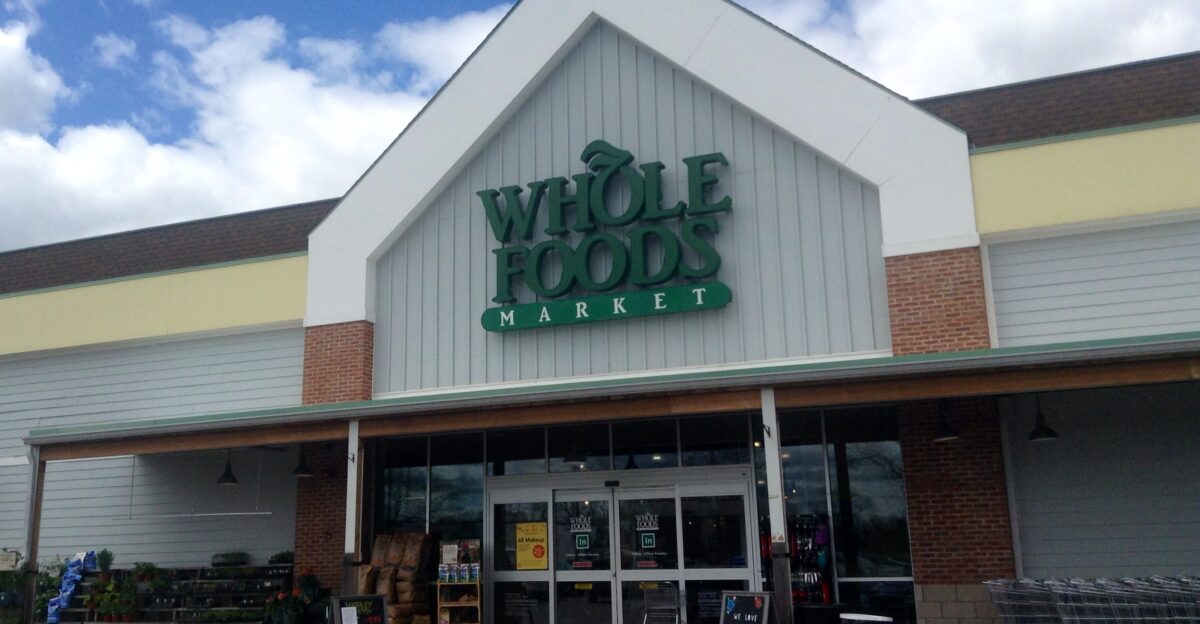
At bottom, the Whole Foods settlement underscores that even premium brands face scrutiny over packaging. Whole Foods built its image on honesty and quality in natural foods, so claims it misled customers hit at its core.
The roughly $2.90 payout per person is symbolic – small money, but a big signal. In California’s market, consumers are sending a message: “seller, prove it.” Going forward, food companies may design their containers more carefully or improve labeling to avoid this fate.
The era of “buyer beware” is giving way to an expectation that sellers must demonstrate the value inside their packages. If this case changes industry practice, even tiny refunds will have a big impact.