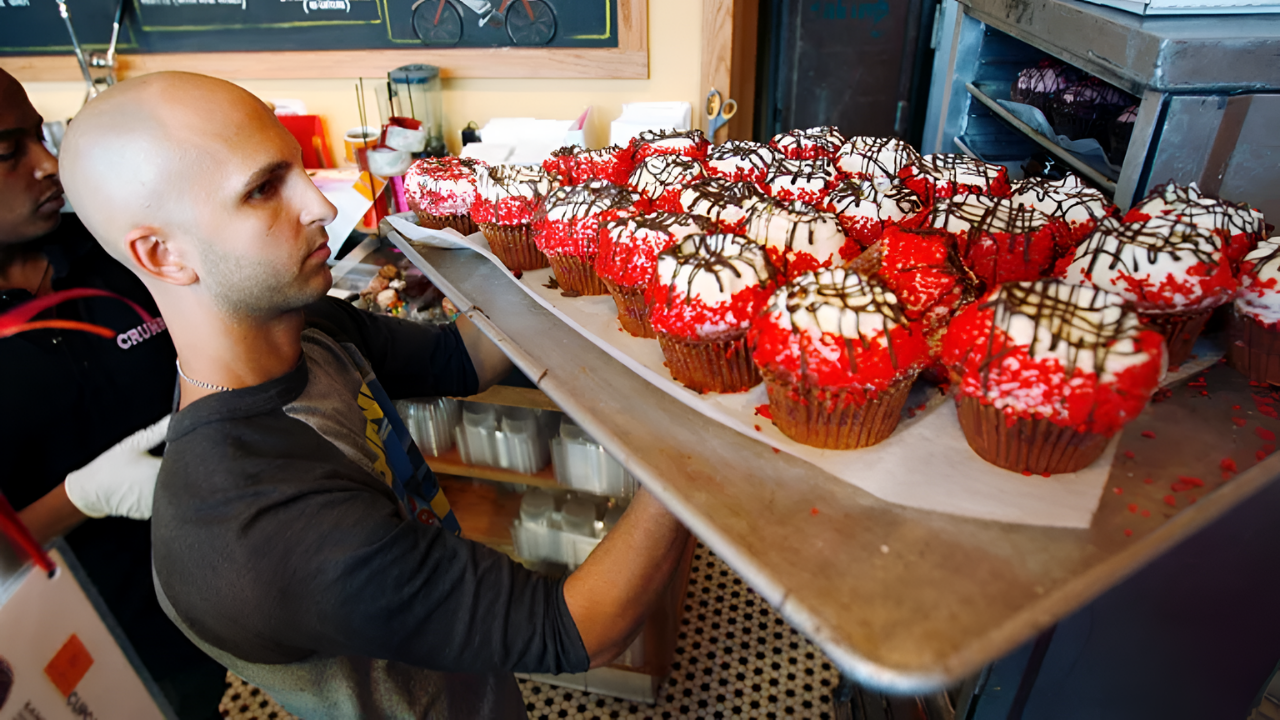
A beloved dessert chain that once helped define the cupcake boom has officially closed its U.S. locations, marking the end of a 20-year run. Despite a loyal fan base, the closure signals the end of an era for single-focus dessert businesses.
Alongside this, other iconic D.C. eateries are shutting their doors, leaving a growing void in the dining scene as local restaurants grapple with a post-pandemic market shift.
High-Profile Pullback in D.C.

The D.C. area is experiencing a sudden wave of closures, particularly in the dessert sector. The shutdown of a leading cupcake chain in the U.S. is accompanied by the closure of Chip City’s Bethesda location, despite receiving a substantial investment.
Other established brands like Cheesecake Factory and Lucky Strike are also closing their doors, underscoring how rising costs and evolving consumer habits are reshaping the local dining landscape.
A Bakery Revolution

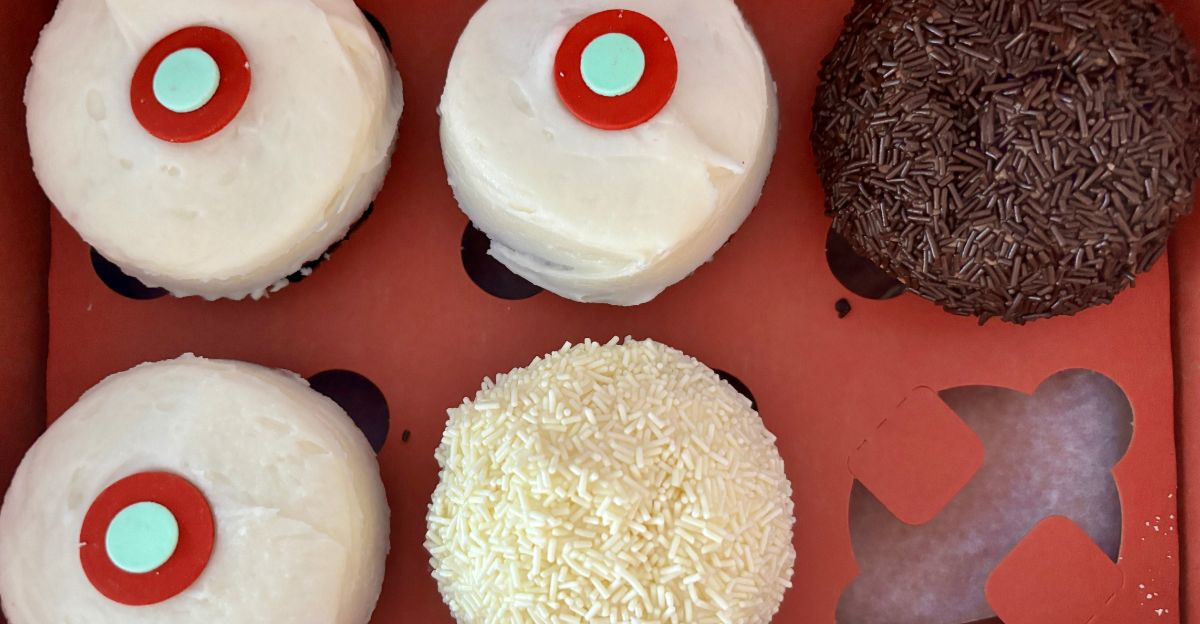
The bakery that introduced the world to the concept of a cupcake-only store began in 2005, quickly rising to fame with its singular focus on cupcakes.
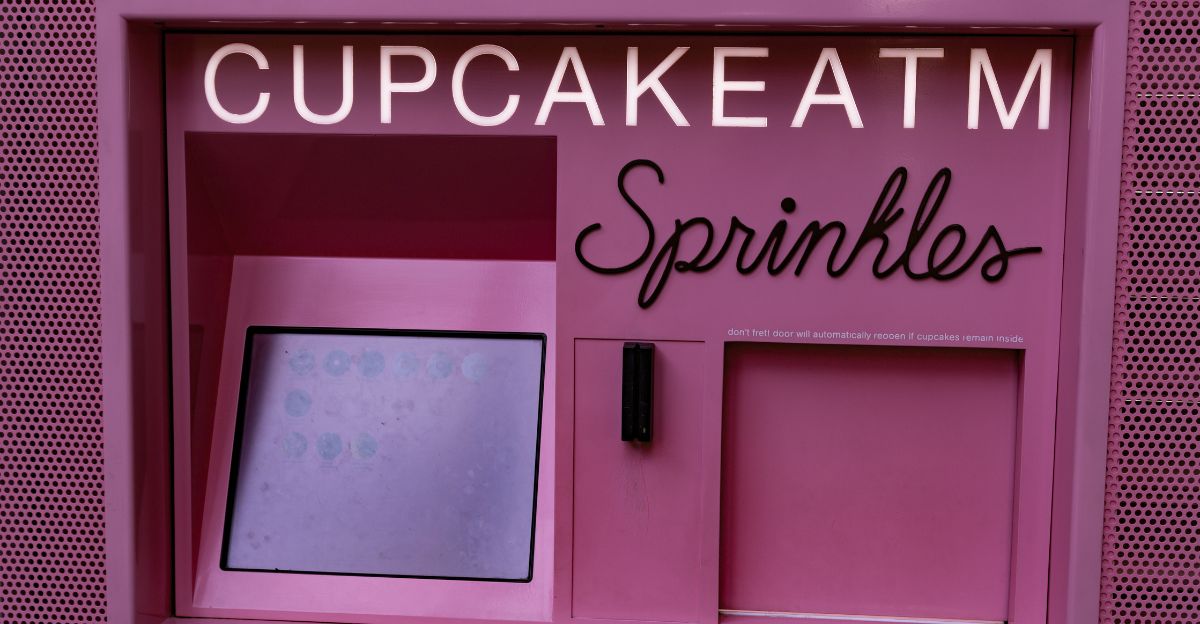
Over the years, it expanded to 21 locations and pioneered the first-ever cupcake ATM. This unique business model transformed it into a pop-culture sensation and set the stage for the rise of other dessert-focused establishments.
Rising Pressures
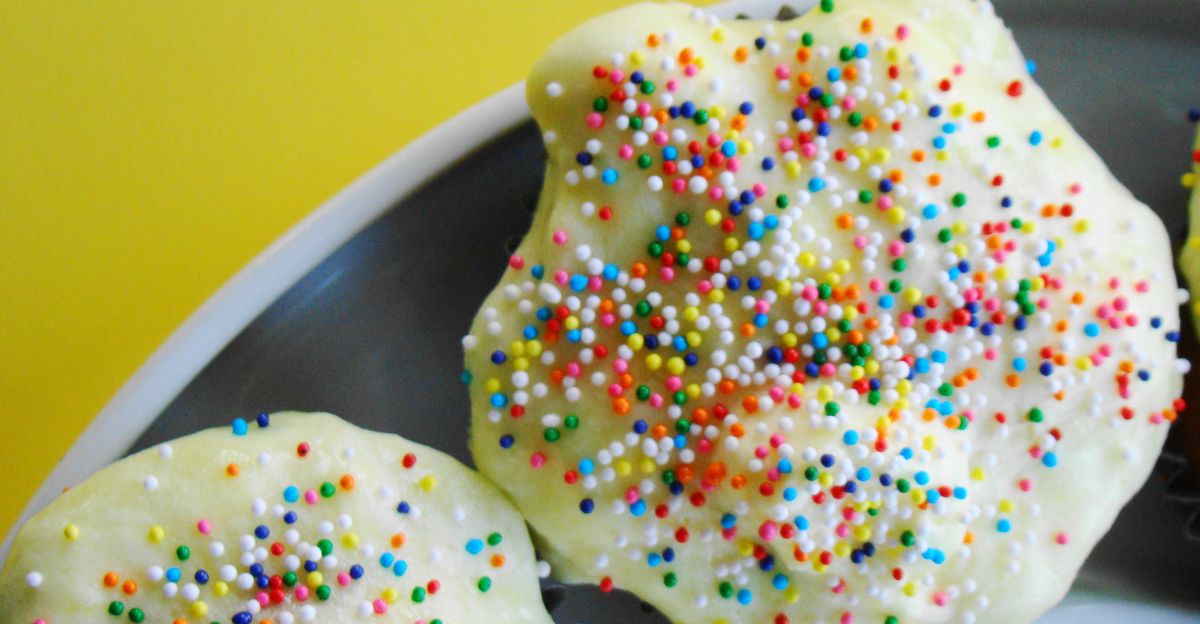
Even the pioneers of the cupcake trend couldn’t avoid the growing challenges. A shift in consumer tastes, with some consumers favoring different desserts, combined with increased competition from other dessert concepts, created pressure on cupcake-only businesses.
Alongside this, rising labor costs and higher rents made it increasingly difficult to maintain profitability in a rapidly evolving market.
Full U.S. Exit
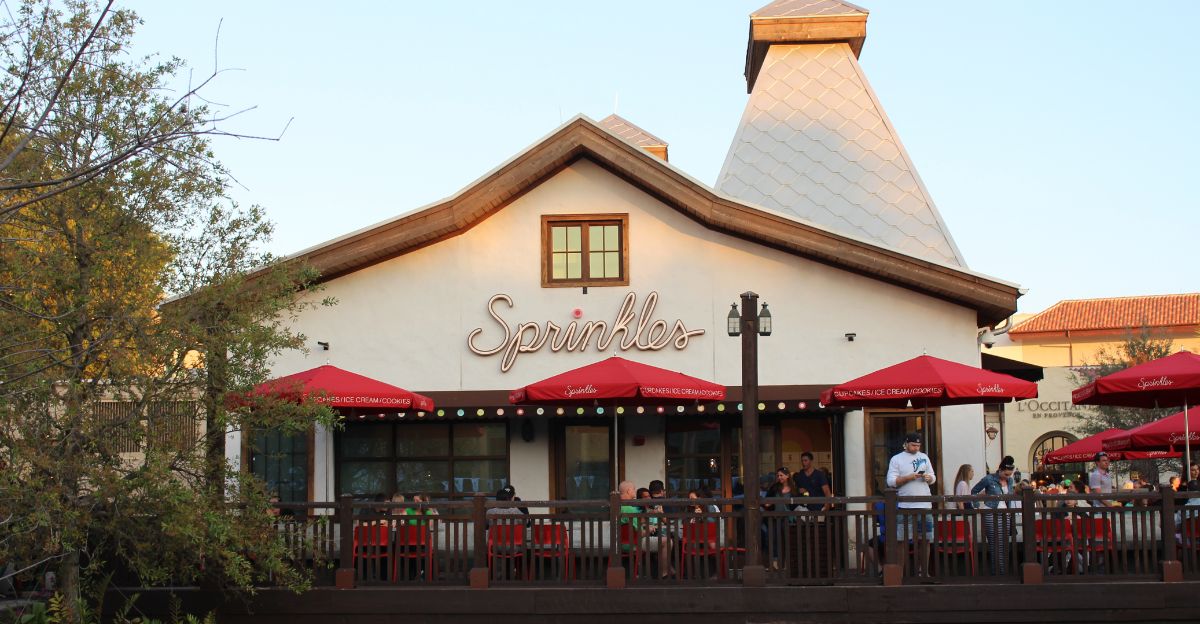
Sprinkles officially exited the U.S. market by closing all 21 of its locations and 25 cupcake ATMs by the end of 2025. Founder Candace Nelson referred to December 31 as the “final day” of the bakery’s operations.
This closure marks the end of an era for Sprinkles, a brand that once redefined dessert retail but ultimately couldn’t withstand the evolving market forces.
D.C. Closures Hit Hard
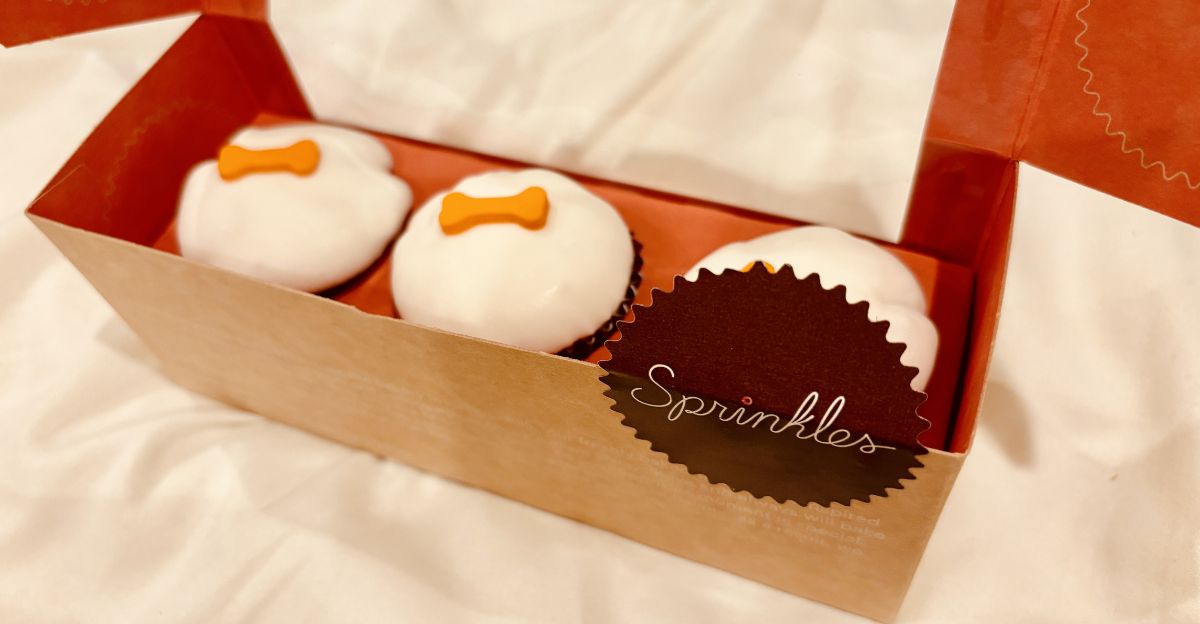
Sprinkles’ Georgetown location, a staple in the D.C. area since 2011, is now closed as part of the nationwide shutdown.
The D.C. area also witnessed Chip City, a rising cookie chain, close its Bethesda shop, signaling that even the most hyped concepts are vulnerable. New restaurants like Chicken + Whiskey and Mi Vida, both opened in 2022, have also closed, adding to the area’s sudden vacancy.
The Human Cost

Behind every restaurant closure are employees and loyal customers left in shock. Sprinkles employees voiced frustrations over abrupt layoff notices, and Chip City’s loyal customers were left wondering what went wrong.
With thousands of jobs at risk and families losing favorite hangouts, these closures have emotional and financial repercussions for workers and the community.
Investment Didn’t Save Chip City
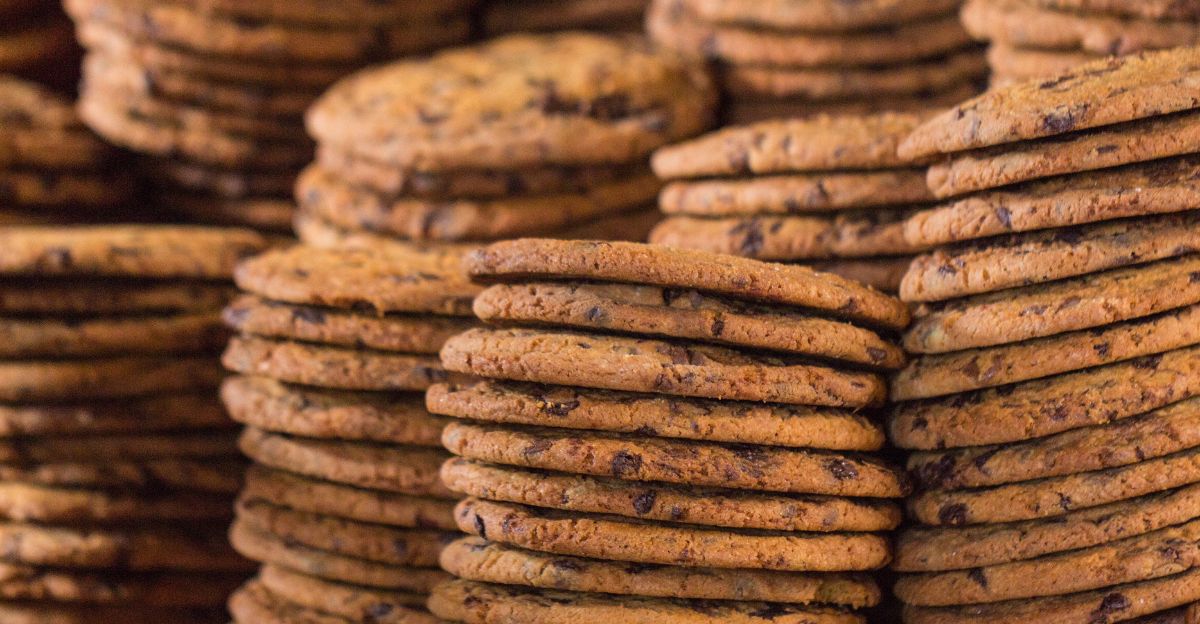
Despite receiving a $10M cash infusion from Shake Shack founder Danny Meyer, Chip City’s failure in Bethesda proves that even significant investments can’t guarantee success in every market.
The cookie chain’s closure highlights the competitive nature of the dessert sector, where novelty flavors and delivery-focused operations are now essential for survival.
The Broader Retail Shift
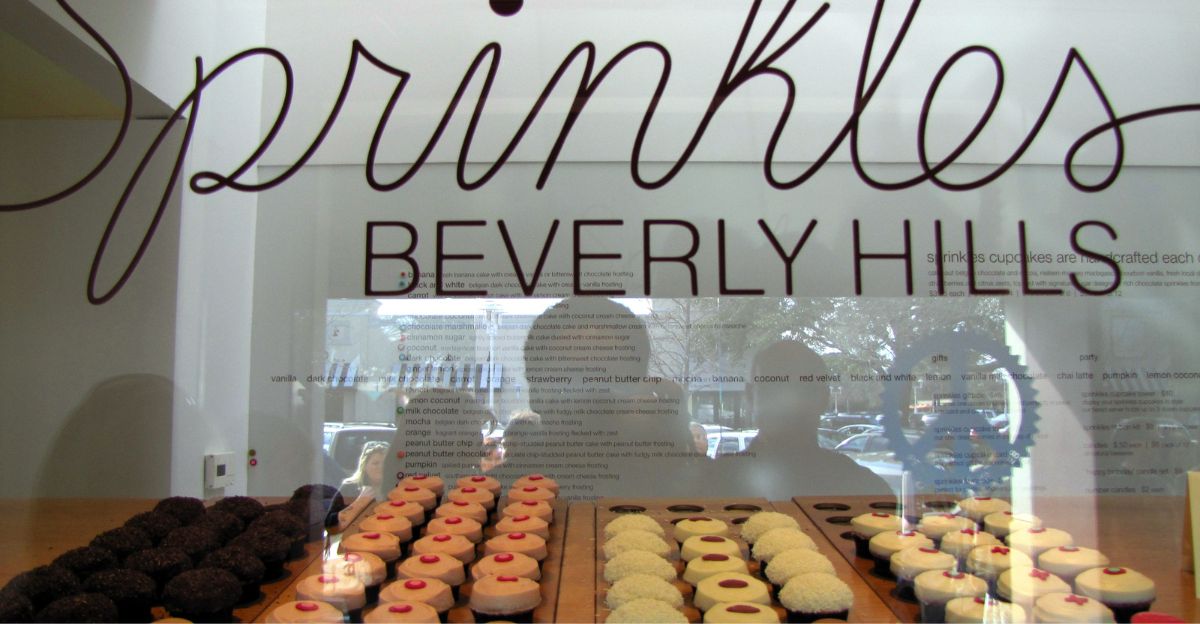
The closures in D.C. are part of a larger trend affecting the entire restaurant industry. Rising interest rates, higher construction costs, and more cautious consumer spending have pushed many restaurants to close or scale back operations.
Even once-thriving concepts now face tough choices, leading to a shrinking restaurant footprint across the region.
Collateral Damage on the Ground
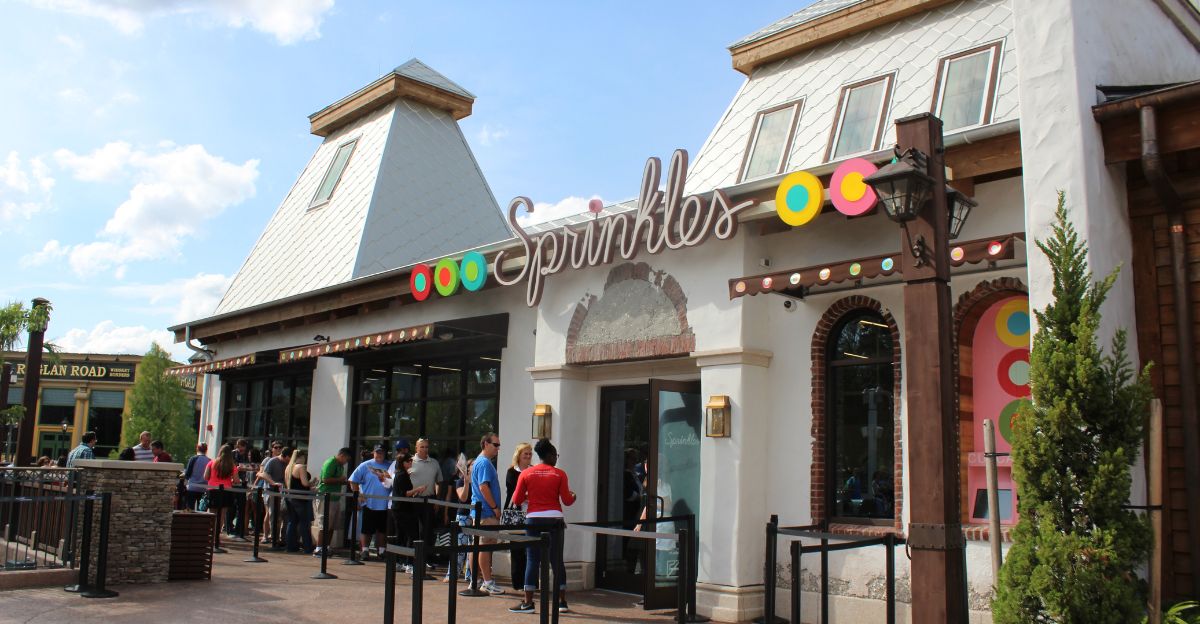
In neighborhoods like Bethesda, the closures leave major gaps in once-busy commercial corridors. Chip City’s closure follows the exit of Fancy Cakes by Leslie, leaving a noticeable void in the local dessert scene.
Similarly, Lucky Strike’s exit deprives the area of a hybrid entertainment and dining destination, disrupting local business ecosystems that relied on foot traffic.
Tensions Beneath the Surface
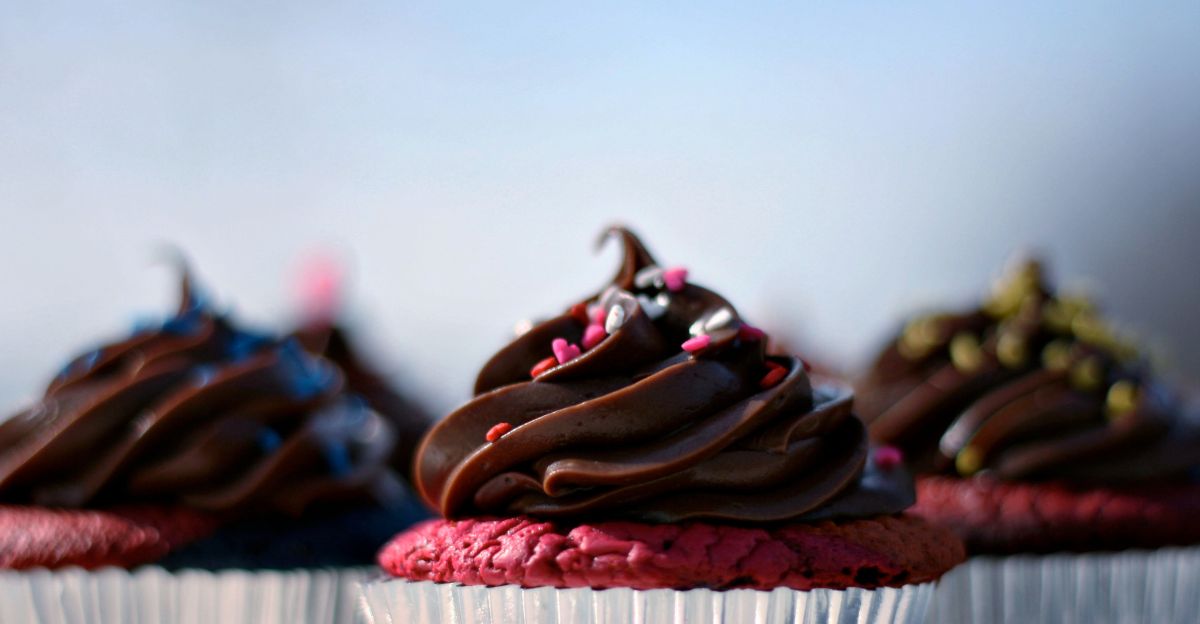
Sprinkles’ shutdown has exposed deeper tensions between private equity owners and frontline workers. After selling the company in 2012, founder Candace Nelson was unaware of the impending closures until days before they happened.
Employees voiced frustration over the sudden layoffs with no severance, highlighting the disconnect between corporate decisions and the human toll on those involved.
The Impact of Ownership Changes
Sprinkles’ closure also underscores how ownership changes can shift a brand’s direction. After selling to private equity in 2012, the brand moved toward a franchise model, and by 2025, Sprinkles ceased to operate company-owned bakeries.
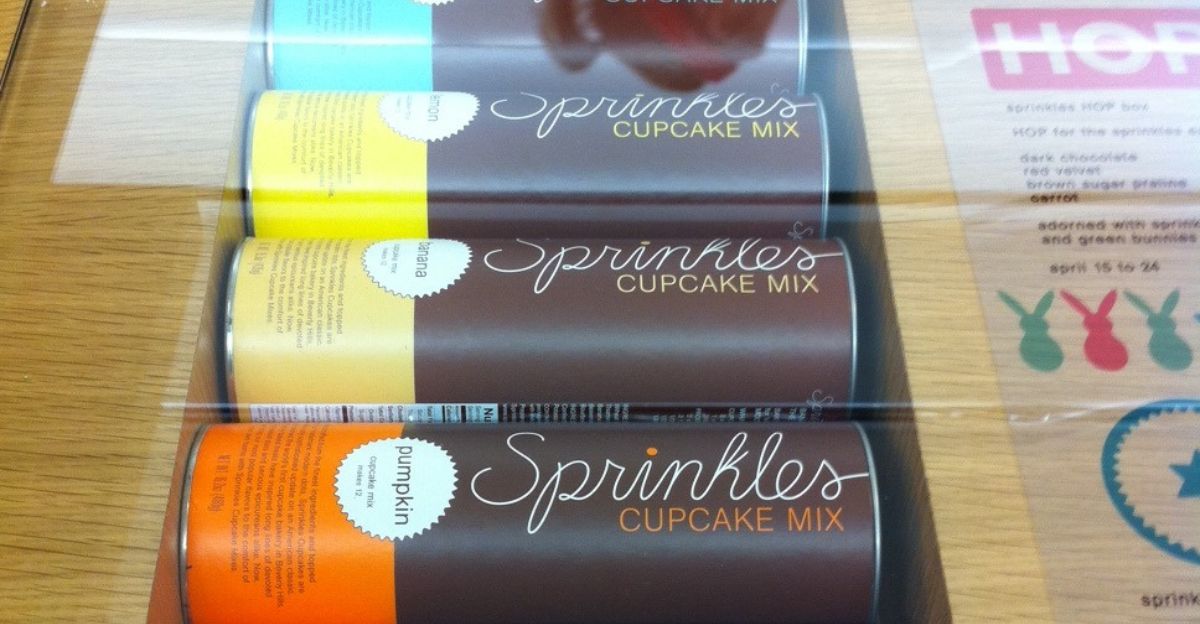
The future of the brand, including its intellectual property and franchise operations, is now uncertain.
Future Uncertain
Despite the closures, the future of the brand remains unclear. The brand’s strong recognition and previous forays into franchising and packaged goods could potentially pave the way for new opportunities.
Chip City, meanwhile, continues expanding outside D.C., focusing on refining its market strategy rather than retreating entirely.
Risks of Niche Dessert Concepts
The closures signal the risks of focusing on narrow, single-category concepts in an increasingly competitive market.
Sprinkles’ decline shows how consumer trends and rising operational costs can quickly shift the dessert landscape. The rise of evolving consumer preferences and a broader menu variety are leaving many single-category brands vulnerable to extinction.
What’s Next for D.C.?
The wave of closures in D.C. raises questions about what will fill the gaps left behind. New businesses may seek to occupy vacant spaces, and new food concepts are experimenting with diverse menus that combine indulgence with health-conscious options.
The future of dining in D.C. may be more varied, but fewer dessert-only destinations.
Sources:
“Sprinkles Cupcakes permanently closing all stores after 20 years of operation, founder says.” Fox Business, 30 Dec 2025.
“Chip City gets $10M from Danny Meyer’s Enlightened Hospitality Investments.” Restaurant Business Online, 19 Oct 2022.
“Chip City Permanently Closes Its Only Maryland Location.” MoCo Show, 2 Jan 2026.
“Cheesecake Factory in DC’s Friendship Heights is closing.” WTOP, 9 Dec 2025.